
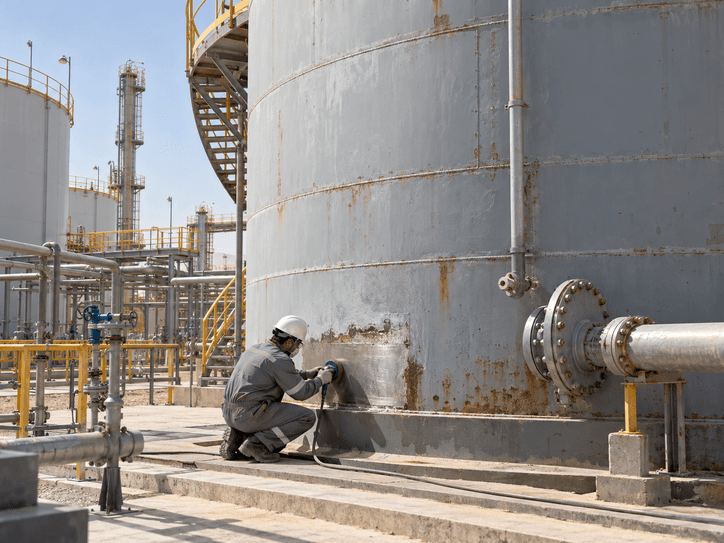
Tank Restoration & Lining
Tank Restoration
Crack, leak, nozzle and structural restoration that returns FRP tanks to service.
FRP Tank Restoration: Repair It, Don't Replace It
A cracked, leaking or delaminating FRP tank does not always need replacing. After inspection to establish the extent and cause of damage, Falcon restores the tank structurally and functionally, extending its service life.
Our FRP restoration scope covers cracks, leaks, delamination, nozzles, manholes, tank bottoms and wall reinforcement.
Tank Restoration & LiningWhat We Offer
Condition assessment
Inspection to establish damage, cause and whether restoration is viable.
Crack and leak repair
Laminate repair that restores tightness and strength.
Nozzle and manhole restoration
Damaged connections repaired so the tank can return to duty.
Bottom restoration
Attention to the tank base where leaks and stress often concentrate.
Wall reinforcement
Additional laminate to strengthen walls.
Lining after repair
Optional lining to protect the restored surface in service.
Types of Tank Restoration
Each configuration has its own page with the detail relevant to that type.
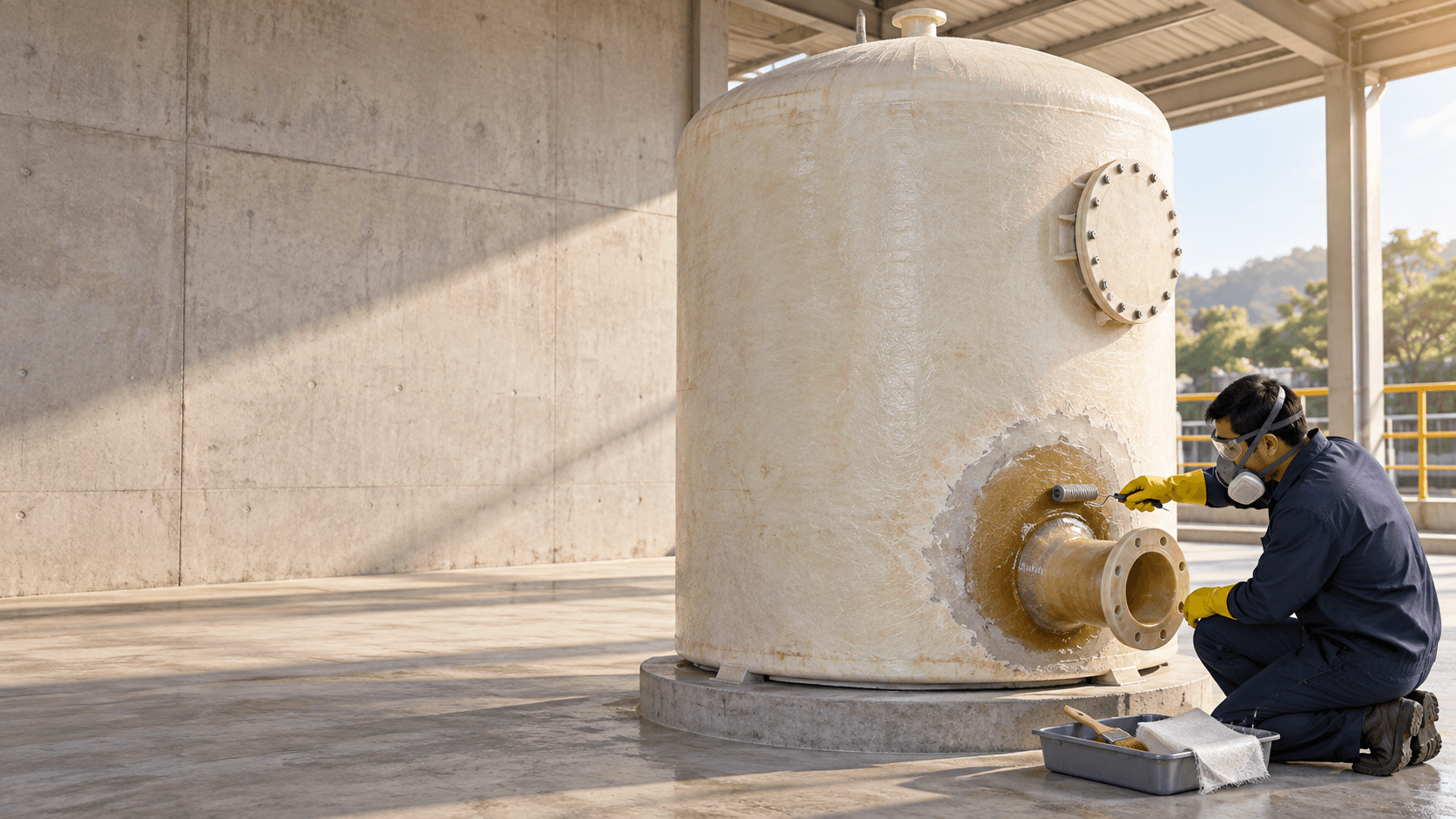
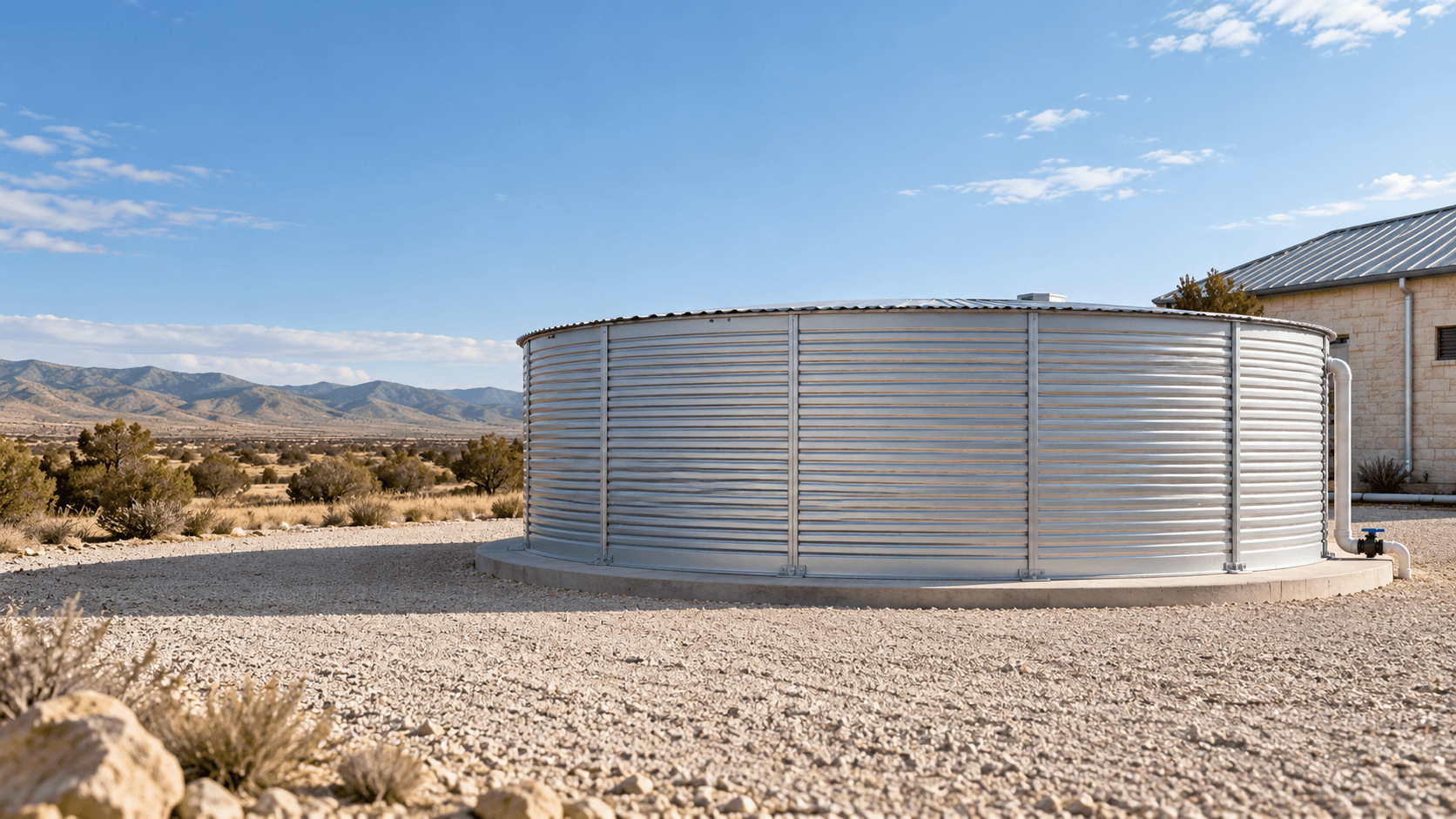
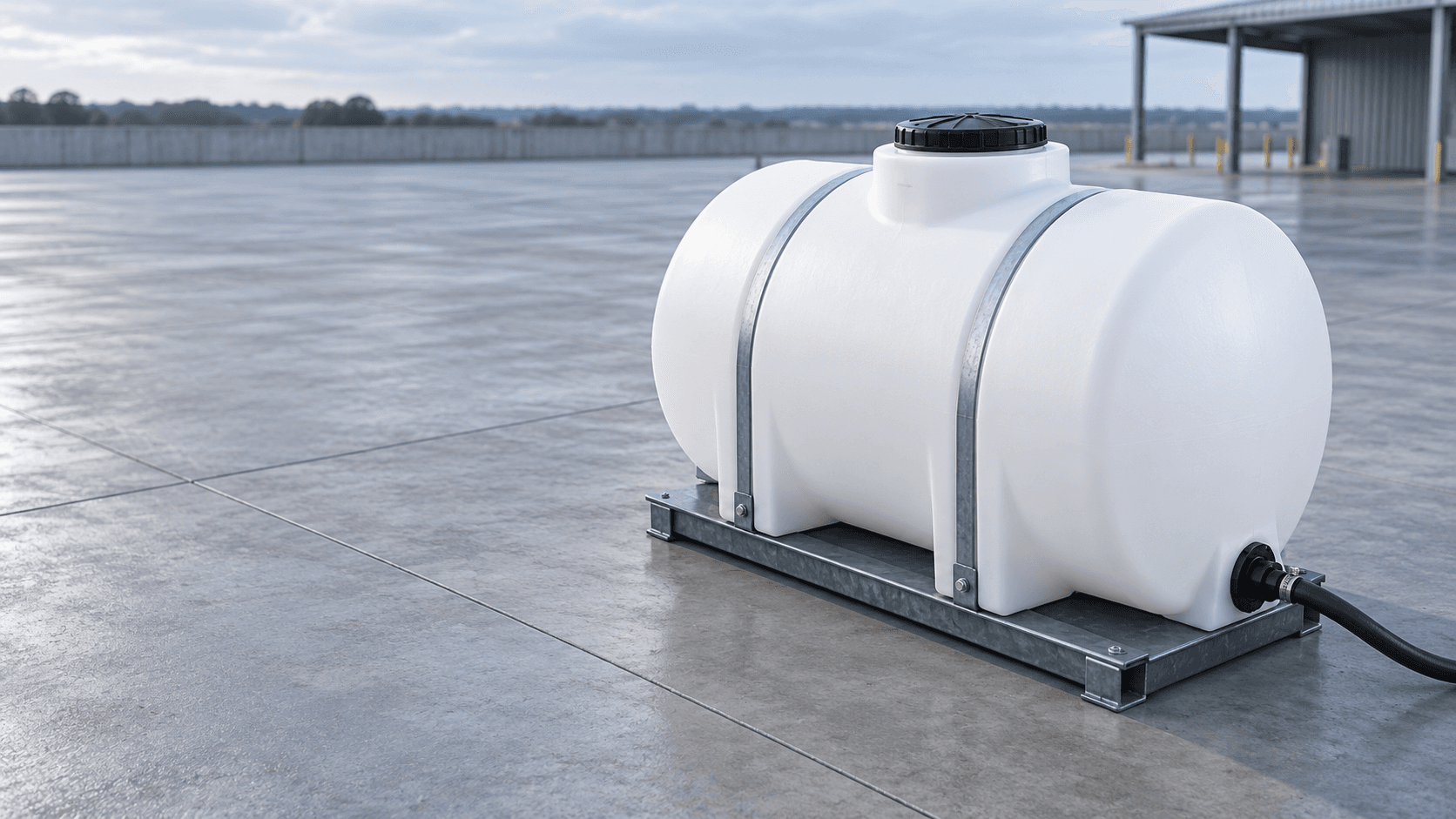
Restoration Scope
- Crack restoration
- Repair of laminate cracks with reinforcement
- Leak rectification
- Locating and rectifying the source of leakage
- Structural reinforcement
- Strengthening damaged or under-designed sections
- Delamination restoration
- Removal and rebuild of delaminated laminate
- Nozzle and manhole restoration
- Repair or replacement of damaged connections and manholes
- Bottom restoration and wall reinforcement
- Restoring tank bottoms and reinforcing walls
Where It’s Used
Referenced Standards
Applied as applicable to the product, governing standard and project specification.
How We Restore a Tank
- 01
Inspect and assess
Visual, dimensional and thickness inspection to find cause and extent.
- 02
Select the repair method
Repair and reinforcement scheme agreed before work starts.
- 03
Prepare and repair
Surface preparation, then laminate repair and reinforcement.
- 04
Test and hand over
Leak or hydrostatic testing and laminate checks as applicable.
Frequently Asked Questions
Is it cheaper to restore a tank than replace it?
Restoration can cost less than replacement and avoids long lead times, provided the structural condition allows it. An inspection confirms whether restoration is the right route for your tank.
What causes FRP tanks to crack or leak?
Common causes include age-related delamination, chemical attack, structural stress and nozzle or manhole failure. Inspection identifies the cause before a repair method is chosen.
How do you test after repair?
Testing is carried out as applicable — for example leak or hydrostatic testing and Barcol hardness or laminate inspection — before handover.
Ready to Start Your Next Project?
Get in touch with our engineering team for a free consultation and a tailored proposal for your site.